How much does hydro excavation cost? Key pricing factors
How much does hydro excavation cost? There is no single rate that accurately applies to every job. The final price depends on how long the work takes, the equipment required, the ground conditions, access to the site, travel, disposal requirements and the amount of material that needs to be removed.
For contractors and project teams, the most useful way to understand hydro excavation pricing is to look beyond the headline hourly rate. A lower rate does not always mean a lower total project cost if the job involves longer travel, more disposal runs, difficult ground or equipment that is poorly matched to the scope.
Why hydro excavation costs vary from project to project
Hydro excavation uses pressurised water to loosen soil and a vacuum system to remove the resulting material into a debris tank. Because the method is commonly used around underground utilities and other sensitive assets, jobs can differ substantially in size and complexity.
Exposing one service connection is very different from completing multiple potholes across a civil construction corridor. A project in metropolitan Adelaide may also have different access, travel and disposal requirements from work in regional or remote South Australia.
This is why the cost of hydro excavation is generally determined from the actual project scope rather than a universal fixed price. Smooth Flow Hydro provides hydro excavation services for civil and commercial projects across South Australia.
Is hydro excavation charged by the hour or by the project?
Hydrovac work may be priced using an hourly rate, a day rate or a project-specific quote. The appropriate approach depends on how clearly the work can be scoped before the truck arrives on site.
Hourly pricing
Hourly pricing is useful when the excavation duration is difficult to predict. Ground conditions, the number of services found and the time required to fill or empty the debris tank can all affect the final duration.
When comparing hydro excavation cost per hour, it is important to check what the rate actually includes. Equipment, operator time, mobilisation, travel, water, disposal and additional site requirements may not be treated the same way by every contractor.
Day rates
A day rate may suit larger jobs where a vacuum truck will be required for most or all of a shift. This can make budgeting easier when multiple potholes, extended utility exposure or other hydro excavation tasks are planned for the same day.
Project-specific quotes
Where the excavation points, expected volumes and access conditions are reasonably well understood, a contractor may be able to provide a project-based estimate. The more accurate the information supplied before quoting, the easier it is to select suitable equipment and anticipate time on site.
What factors affect hydro excavation pricing?
Several practical variables influence the final hydro excavation quote. Understanding them can also help project teams provide better information when requesting pricing.
1. Project size and excavation scope
The number of excavation points, required depth and total volume of material all affect the amount of time the truck is likely to be operating. A small utility pothole may require relatively limited excavation, while a larger utility exposure or trench can involve substantially more soil and slurry.
The scope should also identify whether the work is limited to exposing an asset or whether additional excavation is required after the service has been located.
2. Ground and soil conditions
Soil conditions can have a major effect on productivity. Loose or softer material may be quicker to break down, while compacted clay, dense fill or difficult ground can require more time and water to excavate.
Ground conditions may not always be obvious before work starts, which is one reason actual project duration can differ from an initial estimate.
3. Site access and truck positioning
Vacuum excavation equipment needs suitable access and a practical position from which the hose can reach the excavation area. Restricted access, active construction zones, narrow work areas and live traffic environments can affect setup and operating time.
Where the truck cannot be positioned close to the dig location, longer hose runs or additional site coordination may be required. Access should therefore be discussed before the job is booked rather than after the equipment arrives.
4. Excavation depth and complexity
Deeper or more complex excavations can take longer and may introduce additional excavation controls. The presence of multiple services in a small area can also slow the work because material needs to be removed carefully and progressively.
For utility-related projects, Smooth Flow Hydro provides utility excavation services designed for work around buried infrastructure.
5. Vacuum truck size and tank capacity
Equipment capacity affects how much material can be contained before the truck needs to leave the work area for emptying or disposal. A larger unit may be more efficient on high-volume work or regional projects where disposal facilities are further from the site.
This does not mean the largest truck is automatically the cheapest option for every job. Equipment needs to suit the excavation volume, access conditions and project duration.
Smooth Flow Hydro operates a 10,000L vacuum excavation unit that can support larger civil and commercial project requirements across South Australia.
6. Travel and regional mobilisation
Travel is particularly relevant in South Australia, where projects can be located a considerable distance from depots, water sources or approved disposal points. Mobilisation time, fuel and return travel may therefore form part of the overall quote.
For remote work, it can be more economical to plan multiple excavation points within the same mobilisation rather than treating each location as a separate visit.
7. Spoil and slurry disposal
Hydro excavation creates a mixture of loosened soil and water that is collected in the vacuum truck. Once removed from the site, that material needs to be managed according to the project conditions and the requirements of the receiving facility.
Disposal cost can be influenced by the volume of material, transport distance and whether there are contamination concerns. The South Australian EPA advises that requirements should be checked with the selected facility before waste soil is transported off site and notes that material intended for reuse may need testing and classification.
For that reason, a quote that includes clear assumptions around disposal can be more useful than comparing truck rates alone.
8. Traffic management and other site requirements
Some excavation work takes place beside roads, within operational facilities or in areas where additional controls are required. Traffic management, permits, inductions, access windows or other site requirements can influence the amount of labour and time involved.
These costs may sit outside the hydro excavation rate itself, but they still form part of the total cost of completing the work.
Does underground service locating affect the cost?
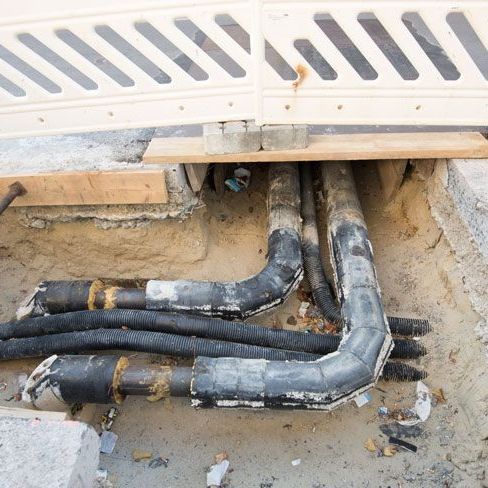
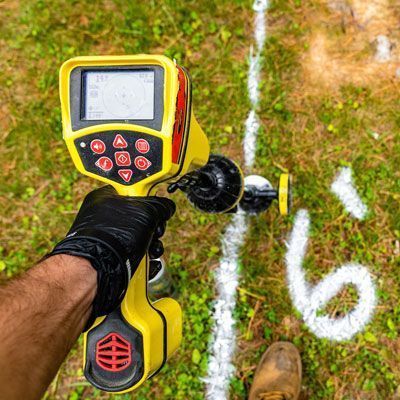
It can. Where underground services need to be identified before excavation begins, locating work may form a separate part of the project scope. However, accurate service information can also reduce unnecessary exploratory excavation and give the hydrovac operator a clearer target area.
Before You Dig Australia recommends planning and reviewing available utility information, using a skilled locator where required and potholing to establish the position of underground infrastructure where permitted.
If both stages are needed, Smooth Flow Hydro also provides underground service locating alongside hydro excavation.
Planning work around buried utilities? Explore our underground locating and hydro excavation services before finalising the excavation scope.
Why the hourly rate is only part of the real project cost
When comparing hydrovac rates, it is tempting to choose the lowest hourly figure. The more useful comparison is often the expected total cost of completing the required work.
A truck with suitable tank capacity may reduce disposal interruptions. Better site information may reduce exploratory digging. Clear access may shorten setup time. Combining multiple excavation points into one mobilisation can also improve efficiency.
Conversely, a low hourly rate can become less attractive if the quote excludes travel, disposal or other costs that the project will inevitably incur. Asking what is included before the job starts makes comparisons more meaningful.
Is hydro excavation more expensive than mechanical excavation?
On a simple hourly equipment comparison, hydro excavation can cost more than conventional earthmoving equipment. That does not mean one method is always better value than the other.
Mechanical excavation is often more efficient for bulk soil removal in open areas. Hydrovac is generally used where control and precision are more important, particularly around existing underground services.
The cost comparison should therefore consider the actual job. If the objective is to expose utilities, complete potholing or work around sensitive infrastructure, the most suitable excavation method is the one that can complete that task with appropriate control and without unnecessary excavation.
How can you get a more accurate hydro excavation quote?
The quality of the information supplied with an enquiry has a direct effect on how accurately a contractor can assess the work. Where possible, provide:
- the project location and expected work date
- the number and approximate size of excavation points
- required excavation depths where known
- available underground service plans or locating information
- details about ground or soil conditions
- site access and truck positioning constraints
- whether traffic management or inductions are required
- the expected volume of material to be removed
- any known contamination or disposal requirements
- whether the work is in Adelaide, a regional centre or a remote location
Photos, plans and clear site instructions can also help identify potential access or equipment issues before mobilisation.
Hydro excavation pricing for South Australian projects
There is no single hydro excavation price that accurately represents every civil, commercial or utility project. The final figure depends on the combination of time, access, ground conditions, equipment, travel and material handling required to complete the work.
Rather than relying on a generic online rate, the best approach is to scope the actual site and compare quotes on the basis of what is included and how the work will be completed.
If you need pricing for a project in Adelaide or regional South Australia, contact the Smooth Flow Hydro team with your location, excavation scope and available site information to discuss the equipment and requirements for the job.