Vacuum excavation trucks explained: What tank capacity means
Vacuum excavation trucks can look broadly similar from the outside, but their tank capacities and system specifications can make a major difference to how they perform on site. For project teams comparing hydrovac equipment, the most important question is not simply whether one truck is bigger than another. It is whether the unit has the right combination of spoil capacity, water storage, vacuum performance, hose reach and access for the work being completed.
This matters because a vacuum excavation truck spends part of its time excavating and part of its time supporting that excavation. Water needs to be carried or replenished, loosened soil and slurry need to be stored, and the truck may need to leave the work area to empty its debris tank. Tank size can therefore influence how long a unit can remain productive before those interruptions are required.
What does vacuum excavation truck capacity actually refer to?
Vacuum excavation trucks normally have more than one tank. The two capacities most relevant to hydro excavation are the spoil or debris tank , which stores the excavated material, and the fresh water tank , which supplies water for loosening the ground.
This distinction is important when comparing equipment. A truck advertised with a certain capacity may be referring to its spoil tank rather than the total volume of all tanks on the vehicle. Manufacturers commonly list water and spoil capacities separately because each performs a different function during the excavation cycle.
For example, Australian vacuum excavation equipment is available in a wide range of configurations. Smaller truck-mounted units can have spoil capacities of only a few thousand litres, while larger commercial units can exceed 8,000 or 10,000 litres. The right size depends on the excavation volume, access conditions and how far the truck needs to travel to empty or refill.
Why does spoil tank capacity matter?
The spoil tank stores the soil, water and slurry removed by the vacuum system. Once that tank reaches its usable capacity, excavation may need to stop while the material is transported to an appropriate discharge or disposal location.
A larger spoil tank can therefore allow a truck to stay on task for longer where substantial volumes of material are being removed. This can be particularly useful on large civil projects, repeated potholing programs, regional jobs and sites where the disposal point is a significant distance from the excavation area.
However, larger capacity does not automatically mean better productivity on every project. A very large truck can require more manoeuvring space, may be less suitable for tight urban access and can carry more weight when loaded. The benefit of added capacity needs to be considered against the physical constraints of the site.
How water tank capacity affects hydro excavation
Hydro excavation relies on pressurised water to loosen soil before the vacuum removes it. That means the water tank effectively supports the digging side of the operation, while the spoil tank supports the material-removal side.
If the available water is used before the required excavation is complete, the unit may need to pause for refilling. On larger or remote projects, access to a practical water source can therefore be an important part of planning.
The amount of water used is not fixed. Soil type, excavation depth, compaction, operating technique and the type of asset being exposed can all affect consumption. Dense or compacted material may require more effort to break down than loose soil, while sensitive underground services may require a more controlled approach.
What does a 10,000L vacuum excavation unit mean for a project?
Smooth Flow Hydro operates a 10,000L vacuum excavation unit, which the company describes as one of the largest commercially available hydrovac units in South Australia. Its large tank capacity is intended to support higher-volume civil and commercial excavation requirements across Adelaide and regional areas.
The main practical advantage of a larger unit is the potential to contain more excavated material before the truck needs to leave the work area for emptying. Where a project involves numerous excavation points or significant quantities of slurry, that can reduce interruptions caused by repeated disposal runs.
That advantage can become more important on remote South Australian projects where travel distances are longer. If the disposal location is well away from the work zone, each additional trip can consume a meaningful portion of the working day.
Planning a larger excavation project? Explore Smooth Flow Hydro's vacuum excavation hire capability and 10,000L unit for civil and commercial work across South Australia.
Tank capacity is only one part of vacuum truck performance
Two vacuum excavation trucks with similar tank sizes may still perform differently because capacity is only one specification. Project teams should also consider the systems that determine how material is loosened, lifted and transferred into the tank.
Vacuum or blower performance
The vacuum system creates the airflow and suction used to move loosened material through the hose. Manufacturers typically specify blower output and maximum vacuum separately from tank capacity. These figures relate to how the unit moves material rather than how much material it can store.
Vacuum hose diameter and reach
Hose size and reach affect where the truck can be positioned in relation to the excavation point. A unit may have substantial tank capacity but still need a practical route for the hose between the truck and the work area.
This is particularly relevant on construction sites with restricted vehicle access, roadside work, fenced compounds or operating facilities where the truck cannot always park immediately beside the excavation.
Water pressure and delivery
Hydro excavation equipment also needs a water system capable of loosening the ground efficiently and with appropriate control. Pressure should suit the soil conditions and any underground infrastructure being exposed. Higher pressure should not be treated as automatically better, particularly around sensitive cables, coatings and pipelines.
Vehicle size and payload
As spoil and water capacities increase, so does the potential operating weight of the unit. Vehicle configuration, payload limits and access conditions are therefore part of selecting appropriate equipment. A smaller unit may be better for constrained sites even where it requires more frequent emptying.
When does a larger vacuum excavation truck make sense?
Larger-capacity trucks are generally most useful when the volume of material and the logistics of the project justify carrying more spoil between disposal cycles. Examples can include:
- multiple potholes or service exposures completed during the same shift
- larger utility excavation programs
- civil and infrastructure projects with higher excavation volumes
- regional and remote work where disposal points are further away
- projects where repeated truck movements would create unnecessary interruptions
- sites that require a substantial amount of excavated material to remain contained within the unit
For a single small pothole or a location with very tight access, the benefits may be different. Project requirements should drive equipment selection rather than choosing the largest unit available by default.
How tank capacity affects disposal planning
A larger tank can reduce how frequently a truck needs to leave the site, but it does not eliminate the need to plan where the collected material will go. Hydro excavation produces a mixture of soil and water, and the material needs to be transported and managed in line with site requirements and the receiving facility's conditions.
Disposal distance can have a direct effect on productivity. If a truck has to travel a long distance every time the debris tank fills, a smaller-capacity unit may spend a larger proportion of the day away from the excavation area. A higher-capacity unit may reduce the number of those cycles, provided it can access the site and operate within the project's transport and weight constraints.
This is why tank capacity can also influence project pricing. As discussed in Smooth Flow Hydro's guide to hydro excavation costs, time on site, travel, disposal and equipment selection all contribute to the overall cost of completing the work.
How does tank size relate to potholing and utility exposure?
Individual potholes are usually relatively small excavations, but projects may require many of them. A civil corridor, road upgrade or utility installation can involve exposing services at multiple crossing points before broader construction progresses.
In these situations, the advantage of additional capacity is cumulative. Rather than assessing the volume of one pothole, the project team can consider the total volume expected across the full work program and how often the truck is likely to need emptying.
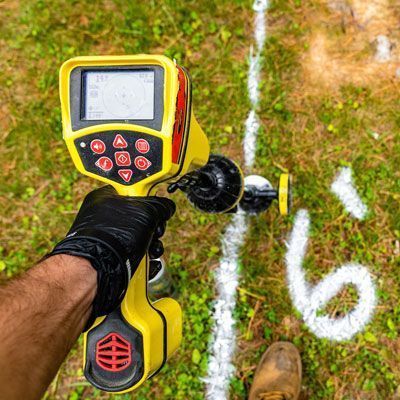
Vacuum excavation may also be used after underground service locating has identified the approximate alignment of cables, pipes or other buried assets. Targeted excavation then physically exposes selected points so their actual position can be confirmed.
What should you check before choosing a vacuum excavation truck?
Tank capacity should be considered as part of the wider project scope. Useful information to review before selecting a unit includes:
- the number and size of excavation points
- the expected volume of soil and slurry
- the likely ground and soil conditions
- site access and truck positioning
- hose reach to the excavation area
- fresh water availability
- the location of approved emptying or disposal points
- travel distances for regional or remote work
- known or suspected underground utilities
- traffic, pedestrian and operational site constraints
Providing this information before mobilisation makes it easier to match the truck to the actual work rather than relying on tank size alone.
Vacuum excavation trucks for South Australian projects
Smooth Flow Hydro provides hydro excavation, vacuum excavation and non-destructive digging services for civil and commercial projects across Adelaide and regional South Australia. Its fleet includes a 10,000L vacuum excavation unit designed for larger project requirements and higher-volume material removal.
If you need to determine what truck capacity and excavation setup are suitable for your project, contact the Smooth Flow Hydro team with the site location, expected excavation scope and access conditions to discuss the most practical approach.