What is vacuum excavation and how does it work?
Vacuum excavation is a controlled digging method that uses suction to remove loosened soil and debris from an excavation area. Depending on the system, the ground may be broken up using pressurised water or compressed air before a powerful vacuum transfers the material into a debris tank.
On civil, commercial and utility projects, vacuum excavation is commonly used where crews need to expose underground infrastructure, create potholes, remove material from confined areas or complete targeted excavation with more control than conventional mechanical digging can provide. Smooth Flow Hydro's service offering is centred on hydro vacuum excavation, where water is used to loosen the ground before the material is vacuumed into the truck.
What is vacuum excavation?
Vacuum excavation is an excavation process that combines a method of loosening soil with high-powered suction. The loosened material is drawn through a vacuum hose and stored in a tank on the excavation unit rather than being left beside the opening as loose spoil.
The term is broader than hydro excavation. Hydro vacuum excavation uses pressurised water to break up the soil, while some vacuum excavation systems use compressed air instead. Both approaches rely on vacuum suction to remove material, but the excavation medium and how the removed soil is handled can differ.
For Smooth Flow Hydro, the relevant application is hydro excavation, which supports controlled digging, utility exposure and non-destructive digging work across Adelaide and regional South Australia.
How does vacuum excavation work?
The exact setup varies between trucks and project types, but hydro vacuum excavation generally follows a straightforward sequence.
1. The work area is assessed
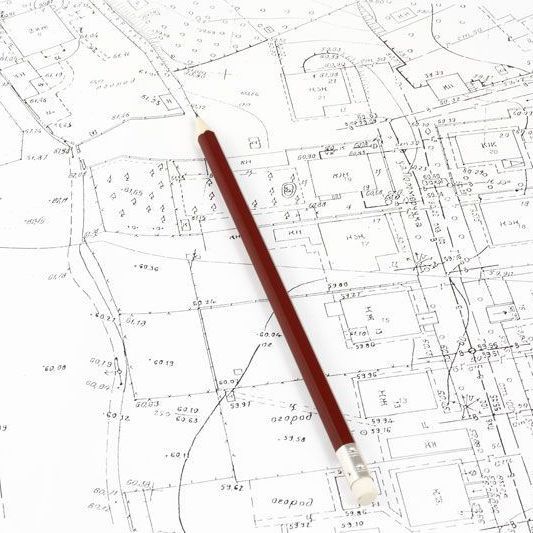
Before excavation begins, crews need to understand the project scope, site access, ground conditions and any underground infrastructure that may be present. Existing utility plans, asset-owner information, site markings and locating results can all help define where excavation should occur.
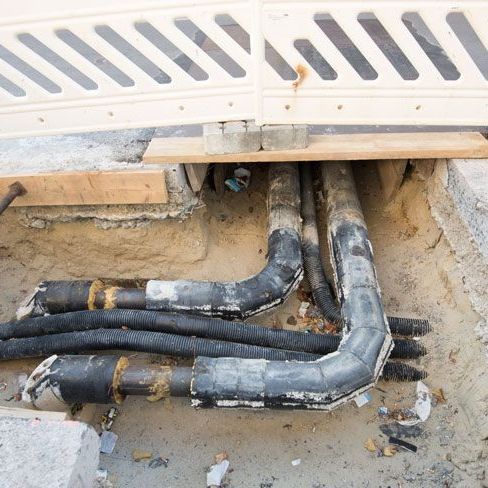
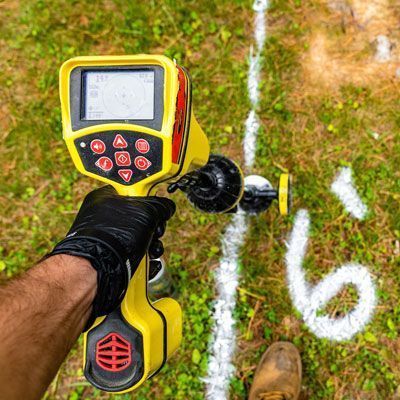
Where work is planned near buried services, underground service locating may be required before the vacuum excavation stage begins. Locating identifies the likely position of an asset, while targeted excavation can then physically expose it where verification is needed.
2. Water loosens the ground
In hydro vacuum excavation, a water lance directs pressurised water into the selected area. The water breaks apart compacted soil and creates a mixture of soil and water that can be removed by suction.
The excavation technique needs to suit the ground conditions and the infrastructure being exposed. Clay, compacted fill, loose material and areas containing sensitive underground assets can require different operating approaches.
3. The vacuum removes soil and slurry
A large vacuum hose draws the loosened material away from the excavation point. Soil, water and debris travel through the hose into the truck's debris tank, keeping the working area relatively clear as the excavation progresses.
This continuous removal is one of the main differences between vacuum excavation and conventional digging. Instead of excavated spoil being placed beside the opening, the material is contained within the truck until it is transported for appropriate disposal or management.
4. Excavation continues to the required depth or asset
Material is removed progressively until the required excavation depth is reached or the target service becomes visible. Where underground infrastructure is involved, the gradual nature of the process allows the operator to monitor what is being uncovered and adjust the excavation method as conditions change.
What equipment is used for vacuum excavation?
A vacuum excavation truck combines several systems into one mobile unit. The main components commonly include:
- a high-powered vacuum or blower system
- a vacuum hose for material extraction
- a water tank and high-pressure water system for hydro excavation
- a debris tank for storing excavated slurry and material
- controls for managing water pressure and vacuum performance
- hoses, lances and other excavation attachments
Tank capacity is particularly important because it affects how much excavated material can be contained before the unit needs to be emptied. On larger jobs or regional projects, a larger tank can reduce the frequency of interruptions associated with material disposal.
Smooth Flow Hydro operates a 10,000L vacuum excavation unit for higher-volume civil and commercial project requirements across South Australia.
What is vacuum excavation used for?
Vacuum excavation can support a wide range of targeted digging and material-removal tasks. Common applications include:
- potholing to verify underground services
- exposing electrical and communications cables
- working around gas pipelines and water mains
- utility excavation and service trenching
- excavating in congested underground service corridors
- supporting maintenance and repair work around existing assets
- targeted excavation where a smaller opening is preferable to broad mechanical digging
Because vacuum excavation is often used around existing services, it is closely connected with non-destructive digging and utility potholing. The aim in these situations is not simply to move soil quickly, but to remove it in a controlled way around infrastructure that needs to remain intact.
What is the difference between vacuum excavation and hydro excavation?
The terms are often used interchangeably, but there is a useful distinction. Vacuum excavation refers to the broader process of removing loosened ground by suction. Hydro excavation is one type of vacuum excavation in which pressurised water is used to loosen the soil first.
Another variation is air excavation, where compressed air breaks up the ground before the vacuum removes the material. Because no water is added, excavated soil may remain drier and can sometimes be easier to reuse. However, the suitability of air or hydro methods depends on the equipment available, ground conditions, project requirements and the assets present.
Smooth Flow Hydro's website and equipment offering are focused on hydro vacuum excavation rather than dry air excavation, so project enquiries should be assessed against that capability rather than assuming every type of vacuum excavation is available.
Why use vacuum excavation instead of mechanical digging?
Mechanical excavation is usually more efficient for bulk earthmoving in open areas. Vacuum excavation serves a different purpose. It is most valuable where excavation needs to be targeted, where underground services are present or where loose spoil needs to be contained as it is removed.
More controlled excavation
Hydro vacuum excavation can remove soil progressively from a defined area. This is useful when crews are exposing a buried service, creating a pothole or excavating around an existing asset that should not be contacted by a bucket or tooth.
Smaller excavation footprints
Where the goal is to confirm a service location or expose a limited section of infrastructure, vacuum excavation can reduce the amount of surrounding ground that needs to be opened compared with exploratory mechanical digging.
Contained material handling
Excavated soil and slurry are transferred directly into the truck's tank. This can reduce loose spoil around the work zone, which is particularly useful on constrained civil sites, roadsides and operational facilities.
Need a vacuum excavation unit for controlled digging? Explore Smooth Flow Hydro's vacuum excavation hire capability and equipment options for South Australian projects.
How does vacuum excavation fit with underground service locating?
Locating and vacuum excavation solve different parts of the same problem. Electronic locating, plans and mapping can help identify the likely alignment of underground infrastructure, but physical exposure may still be needed before excavation or construction proceeds close to the asset.
Vacuum excavation can be used to create a targeted pothole at the expected service location. Once the asset is visible, crews can confirm its depth, alignment and position before planning the next stage of work.
Before You Dig Australia's Five Ps framework places potholing after planning and preparation, and before protecting and proceeding. Where hydro vacuum excavation is permitted by the relevant asset owner, it can form part of that verification process.
What should be considered before booking a vacuum excavation truck?
The most suitable unit depends on more than the size of the truck. Project teams should consider:
- the location and number of excavation points
- expected excavation depth and volume
- ground and soil conditions
- known or suspected underground utilities
- truck access and safe positioning
- hose reach from the truck to the work area
- water availability
- traffic, pedestrian and site-operational constraints
- debris tank capacity
- slurry transport and disposal requirements
- travel requirements for regional or remote work
Providing this information when requesting a quote makes it easier to match the equipment and mobilisation plan to the actual project scope.
Vacuum excavation services across South Australia
Smooth Flow Hydro provides hydro vacuum excavation for civil, commercial, infrastructure and utility projects across Adelaide and regional South Australia. The service can support potholing, utility exposure, controlled excavation and work around existing underground infrastructure.
If you are planning a project and need to determine which vacuum excavation setup is suitable, contact the Smooth Flow Hydro team with the site location, excavation scope and available utility information to discuss the project requirements.