Environmental and site benefits of non-destructive digging
Non-destructive digging is often chosen because it gives crews a more controlled way to expose underground infrastructure, but its advantages can extend beyond asset protection. By concentrating excavation on a defined area and removing loosened material directly into a vacuum truck, NDD can also reduce unnecessary site disturbance and make spoil easier to contain and manage.
These benefits do not make every hydrovac job automatically environmentally preferable. Water use, truck movements, slurry handling, ground conditions and disposal requirements still need to be considered. The value of NDD comes from matching a precise excavation method to sites where limiting disturbance is important.
How can non-destructive digging reduce site disturbance?
Traditional mechanical excavation is highly effective for bulk earthmoving, but it can require a wider opening than is necessary when the objective is to identify or expose a single underground service. Non-destructive digging allows crews to remove soil progressively from a smaller target area.
This can be useful on civil, commercial and infrastructure projects where existing pavements, landscaping, services or operating areas need to remain largely undisturbed. Rather than opening a broad section of ground to search for an asset, crews can focus on the area identified through plans and locating work.
Smooth Flow Hydro provides non-destructive digging services across Adelaide and regional South Australia for work around buried utilities and infrastructure.
What are the main environmental benefits of NDD?
The environmental advantages of NDD are usually linked to the precision of the excavation rather than the equipment being inherently low impact. Where the method avoids unnecessary soil removal or surface disruption, the surrounding area may require less reinstatement once the work is complete.
Smaller excavation footprints
A targeted pothole or service exposure generally disturbs less ground than an exploratory trench or larger mechanical excavation. On sensitive sites, reducing the footprint can help limit the amount of soil, surface material and vegetation affected by the work.
This can be particularly valuable where crews are working beside landscaped areas, established surfaces, verges or infrastructure that does not need to be removed. Site-specific controls are still important, especially around tree roots, contaminated ground or areas with erosion risk.
Less loose spoil around the work area
Hydrovac equipment loosens soil with pressurised water and removes the resulting material through a vacuum hose. Instead of leaving excavated spoil piled beside the opening, the material is transferred directly into the truck's debris tank.
Containing material in this way can help keep the immediate work area cleaner and reduce the amount of loose soil exposed to wind, rain or vehicle movement. The slurry still needs to be transported, classified and managed appropriately after removal.
Reduced airborne dust at the point of excavation
Because water is used to loosen the ground, the excavation process can generate less airborne dust than dry digging methods in comparable conditions. This can be useful on urban, commercial and operational sites where dust control is an important consideration.
Dust outcomes still depend on the surrounding work, weather, soil type and how material is handled after excavation. NDD should therefore be viewed as one part of the broader site environmental controls rather than a replacement for them.
Potentially less reinstatement
Where crews can expose an asset through a smaller excavation, there may be less surface area to backfill and reinstate once the work is complete. That can mean less disturbance to pavements, verges, landscaped areas and other existing site finishes.
The actual reinstatement requirement depends on the excavation location and project specification, but avoiding an unnecessarily large opening can reduce the amount of follow-up work associated with the initial dig.
How does contained spoil management help on site?
One of the practical differences between NDD and conventional excavation is how the removed material is handled. Vacuum excavation transfers soil and water into a sealed debris tank, which allows the material to be contained while the work progresses.
This can be especially useful on constrained sites where there is limited room for spoil stockpiles or where excavated material needs to be kept separate from active work areas. Larger tank capacity can also reduce the frequency with which a unit needs to leave site, depending on the excavation volume and disposal arrangements.
Smooth Flow Hydro operates a 10,000L vacuum excavation unit for larger civil and commercial project requirements across South Australia.
Containment does not remove the need for responsible disposal. The South Australian EPA advises that waste soil being transported off site should be managed in line with the receiving facility's requirements, and soil intended for reuse may need testing and classification. This is especially important where there is any possibility of contamination.
Can NDD help around vegetation and established surfaces?
A more targeted excavation can help project teams avoid disturbing areas that do not need to be opened, including sections of landscaping, verges and existing hard surfaces. That does not mean hydrovac can be used without considering roots, soil stability or nearby environmental features.
Pressurised water can still affect soil structure and vegetation if it is used inappropriately. Where significant trees, root zones or environmentally sensitive areas are present, the excavation method and exclusion distances should be planned around the relevant site controls and specialist advice.
The advantage is precision. Crews can concentrate the excavation on the required location instead of disturbing a broader area simply to determine where an underground asset sits.
Why can NDD reduce unnecessary excavation around utilities?
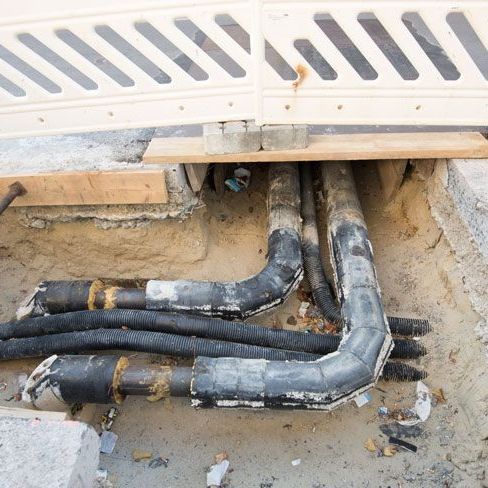
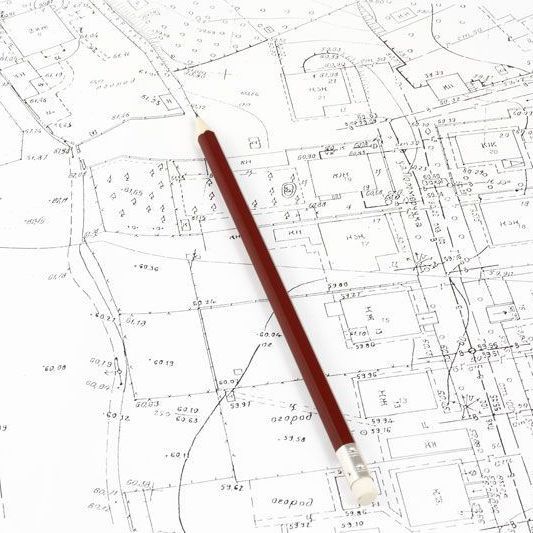
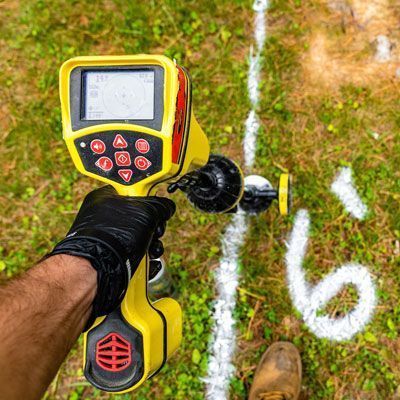
Utility plans and electronic locating can provide valuable information about buried services, but they do not always remove the need to physically confirm an asset's position and depth. NDD can be used to create a pothole or targeted exposure once the approximate location is known.
This can reduce the need for exploratory mechanical digging across a larger area. Once a service is exposed, project teams have better information for planning subsequent excavation, trenching, drilling, repairs or installation work.
If a project requires both locating and physical verification, Smooth Flow Hydro also provides underground service locating and utility excavation services.
Need to confirm buried infrastructure before broader excavation begins? Explore our underground locating and NDD services to plan the next stage of work with clearer site information.
Is NDD always the lower-impact excavation option?
No. The most appropriate excavation method depends on what the project needs to achieve. NDD uses water, creates a soil-and-water slurry and relies on vacuum trucks to transport material. Those factors need to be weighed against the amount of excavation required, disposal distances, site access and the sensitivity of the surrounding area.
For a large open excavation away from buried infrastructure, conventional earthmoving equipment may move material more efficiently. NDD is generally most valuable where precision, service protection, reduced disturbance or contained material handling justify the more targeted approach.
This distinction is important when assessing environmental performance. A smaller excavation can provide clear site benefits, but the best method is the one that reduces unnecessary work while still meeting the project's safety, environmental and operational requirements.
What should be planned before NDD starts?
To get the full site benefits from non-destructive digging, project teams should plan more than the excavation itself. Key considerations include:
- the location and type of underground services
- the minimum excavation area needed to achieve the project objective
- truck access, positioning and hose reach
- ground conditions and any known contamination risks
- water availability and expected water use
- the volume of slurry likely to be generated
- transport, disposal or reuse requirements for excavated material
- nearby vegetation, drainage, pavements and other sensitive site features
Before You Dig Australia information and service locating can help define where targeted exposure is required, while the excavation and spoil-management method can then be selected to suit the conditions on site.
Non-destructive digging across South Australia
For projects where underground infrastructure needs to be exposed without opening more ground than necessary, NDD can provide a practical balance between precision, site control and efficient spoil removal. It is particularly useful for potholing, service proving and excavation around existing utilities.
Smooth Flow Hydro provides hydro excavation and non-destructive digging for civil and commercial projects across Adelaide and regional South Australia.
If you are planning work around buried services and want to determine whether NDD is suitable for the site, contact the Smooth Flow Hydro team to discuss the project requirements.