What is utility potholing and why is it done before excavation?
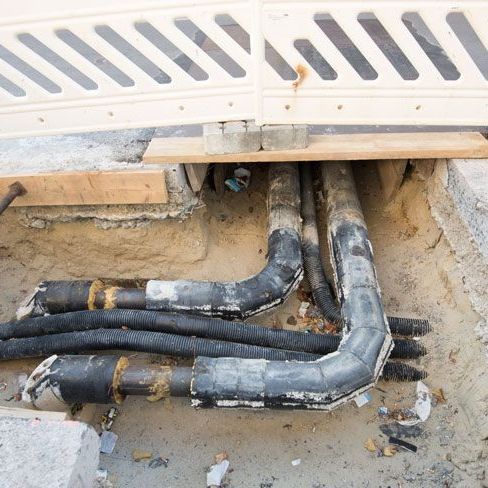
Utility potholing is a controlled excavation method used to physically expose an underground service so its exact position, depth and direction can be confirmed before broader excavation begins. It is commonly used after plans and electronic locating have identified the approximate location of buried infrastructure such as power, communications, gas and water services.
For civil and commercial projects, this step can remove uncertainty before excavators, trenchers, drilling equipment or other machinery operate nearby. Potholing does not replace planning or service locating, but it can provide direct visual confirmation of what is actually in the ground.
What is utility potholing?
Utility potholing involves creating a small, targeted excavation to expose a buried asset. The opening allows project teams to confirm where the service is located and how it runs through the work area.
Potholing may be carried out using approved hand digging methods or hydro vacuum excavation, depending on the asset owner's requirements and the site conditions. Before You Dig Australia includes potholing as one of its Five Ps of safe excavation and notes that hydro vacuum extraction can be used where permitted.
For projects where vacuum excavation is appropriate, Smooth Flow Hydro provides utility excavation services across Adelaide and regional South Australia.
Why is potholing done before excavation?
Plans, surface markings and electronic locating equipment can provide valuable information about underground services, but they do not always confirm the precise position of an asset. Ground levels may have changed, records may be incomplete, and some services can be difficult to locate electronically.
Potholing allows the service to be physically exposed and verified before larger excavation equipment works nearby. SafeWork SA describes potholing as a critical part of locating underground utilities and notes that it is used before excavation to identify how underground lines run through the work area.
This can be especially important where high-risk or congested services are present, where the excavation is close to known infrastructure, or where the route of a cable or pipe needs to be confirmed before trenching, drilling or construction proceeds.
How does vacuum potholing work?
Vacuum potholing uses the same basic process as hydro excavation. Pressurised water loosens the soil within a small target area, while a vacuum system removes the resulting soil and slurry into the truck's debris tank.
1. Underground service information is reviewed
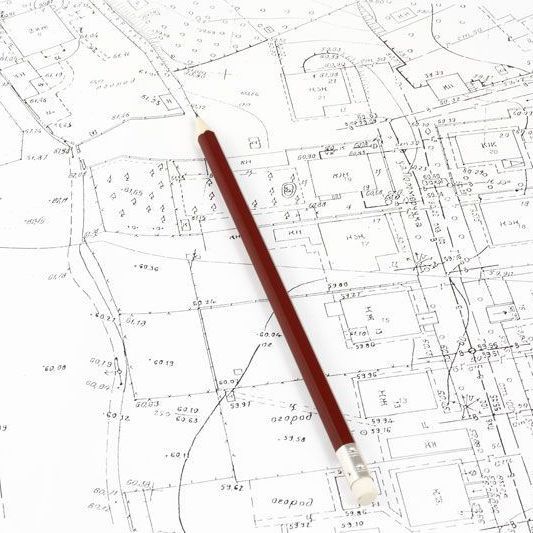
The project team reviews available utility plans, asset-owner information and site conditions before excavation starts. A Before You Dig Australia enquiry can provide plans from participating infrastructure owners, but BYDA also notes that not every asset owner is a member and that plans should not be treated as the only source of information about what may be present.
2. The approximate service location is identified
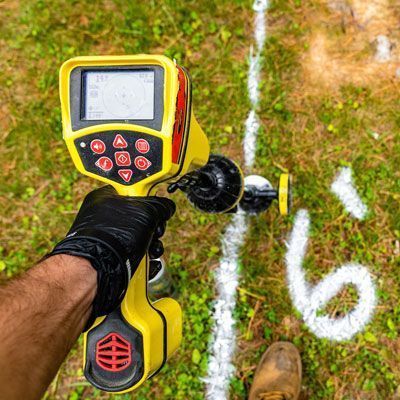
Where required, a skilled locator can use appropriate locating equipment to identify the likely alignment of the buried service. Smooth Flow Hydro also provides underground service locating for projects that need subsurface assets identified before physical exposure.
3. A targeted pothole is excavated
The operator directs water into the selected area to loosen the soil. A vacuum hose removes the loosened material progressively so the excavation can be advanced with greater control around the expected asset location.
SafeWork SA notes that vacuum excavation is a commonly used potholing method, but also cautions that inappropriate water pressure can damage cables or pipe coatings. The method, equipment settings and working distances therefore need to suit the asset being exposed and any requirements set by its owner.
4. The asset is visually confirmed
Once the service is exposed, its actual depth, position and direction can be verified on site. That information can then be used to plan the next stage of excavation, installation, repair, trenching or drilling work.
What types of underground services can be pothole verified?
Potholing can be used to verify a range of buried infrastructure where the selected method is suitable and permitted. Common examples include:
- electrical cables
- communications and fibre infrastructure
- water mains and service lines
- gas pipelines
- sewer and drainage assets
- conduits and ducts
- other buried utility infrastructure
The locating and excavation method needs to reflect the type of asset present. Some non-metallic services, for example, may not be detectable using certain electronic locating methods, which is one reason physical verification can be important.
What is the difference between utility locating and potholing?
Utility locating and potholing are related steps, but they perform different functions. Locating is used to identify the approximate position or alignment of an underground service. Potholing physically exposes the asset so that its actual location can be confirmed.
On many projects, the most practical sequence is to review available plans, locate the service electronically where required, then pothole at selected points before broader excavation starts. This gives the project team progressively more reliable information as it moves from planning to physical verification.
If the project requires both stages, Smooth Flow Hydro can support utility locating as well as controlled excavation around buried infrastructure.
Need to confirm underground services before digging? Explore our utility locating and potholing capabilities before finalising the excavation scope.
When is potholing particularly useful?
Potholing can be useful whenever there is uncertainty about the exact position of a buried service or when excavation will occur close to underground infrastructure. Common situations include:
- before trenching across known utility corridors
- before directional drilling or boring
- before mechanical excavation near power, gas, water or communications assets
- when plans and site conditions do not fully agree
- where multiple utilities are present in a confined area
- when an asset needs to be exposed for repair, maintenance or connection work
- when a project requires confirmation of service depth before design or construction proceeds
The frequency and location of potholes depend on the project, the assets involved and the relevant asset-owner requirements. SafeWork SA notes that the more risky the work, the more frequent potholing may need to be.
Why can vacuum potholing be preferable to exploratory mechanical digging?
Mechanical excavation is effective for moving large quantities of soil, but it is not always the best method for confirming the location of a sensitive underground service. A bucket or tooth can cause significant damage if it contacts an asset that is not exactly where expected.
Vacuum potholing is more targeted. Crews can remove soil from a small area and progressively expose the service rather than opening a wider trench simply to determine where the asset sits.
This can also reduce unnecessary disturbance to surrounding surfaces and keep loosened material contained within the vacuum truck. For projects where controlled excavation is the priority, Smooth Flow Hydro's non-destructive digging services provide a practical option around existing utilities.
What should be checked before potholing starts?
Potholing forms part of a broader excavation planning process. Before work begins, project teams should consider:
- current underground service plans and asset-owner information
- whether a skilled locator is required
- the type of asset being exposed
- asset-owner restrictions or approved potholing methods
- ground and soil conditions
- truck access and hose reach
- traffic, pedestrian and operational site constraints
- excavation depth and surrounding ground stability
- spoil and slurry management requirements
Before You Dig Australia's Five Ps provide a useful framework: Plan, Prepare, Pothole, Protect and Proceed. The guidance recommends potholing, where permitted, using the method specified by the relevant asset owner before excavation continues.
SafeWork SA's utility guidance also emphasises locating underground services and verifying their position before excavation work proceeds.
Does potholing guarantee there are no other underground services?
No. A pothole confirms what is exposed at that particular location. It does not prove that no other underground infrastructure exists elsewhere within the work area.
BYDA advises that not all infrastructure owners are members of its service, so plans received through an enquiry should not automatically be assumed to represent every buried asset present. Visual site clues, locating work, project records and asset-owner information may also need to be considered.
For that reason, potholing works best as part of a broader underground service identification and excavation process rather than as a standalone check.
Utility potholing across South Australia
Smooth Flow Hydro supports civil and commercial projects with utility locating, hydro excavation, non-destructive digging and controlled excavation around underground infrastructure across Adelaide and regional South Australia.
If your project needs buried utilities physically verified before excavation begins, contact the Smooth Flow Hydro team with the site location, available utility information and proposed excavation scope to discuss the most suitable approach.