How hydro excavation is used around underground utilities
Working around buried utilities requires more than knowing that a service is somewhere beneath the work area. Before broader excavation, trenching, drilling or repair work begins, project teams may need to physically expose an underground asset so its exact position and depth can be confirmed.
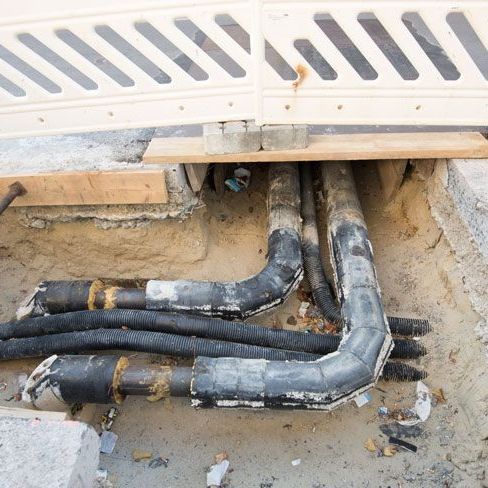
Hydro excavation provides a controlled way to do this. Pressurised water loosens soil within a targeted area, while a vacuum system removes the resulting material into a debris tank. This allows buried services to be progressively uncovered without relying on an excavator bucket at the point of exposure.
Why underground utilities may need to be physically exposed
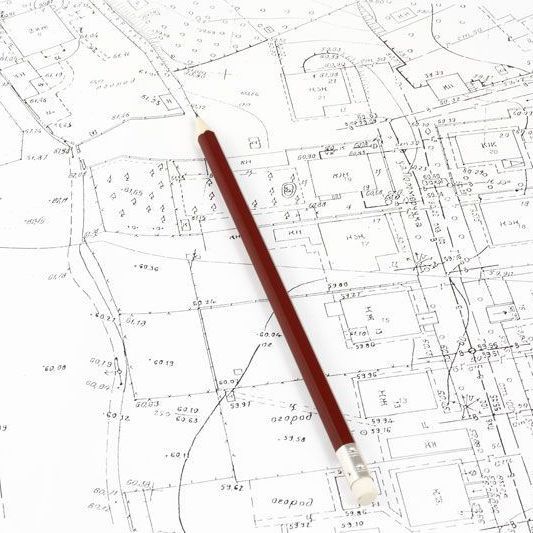
Utility plans and electronic locating provide important information during excavation planning, but they do not always establish the exact position of an asset. Ground levels can change, records can be incomplete and the accuracy of available information can vary between sites and service types.
Before You Dig Australia recommends a sequence of planning, preparing, potholing, protecting and then proceeding with excavation. Where permitted, potholing can be completed using hydro vacuum extraction to physically expose an underground asset before work continues.
For projects that need buried infrastructure identified before excavation, Smooth Flow Hydro provides underground service locating alongside controlled excavation services across South Australia.
How hydro excavation exposes underground utilities
Hydro excavation combines water and vacuum extraction to remove soil from around a buried asset in stages. The exact method depends on the asset owner requirements, soil conditions, excavation depth and type of infrastructure present.
1. Available utility information is reviewed
The process begins before the vacuum truck starts excavating. Project teams should review current service plans, available asset-owner information, site markings and physical clues such as pits, meters, marker posts and existing service connections.
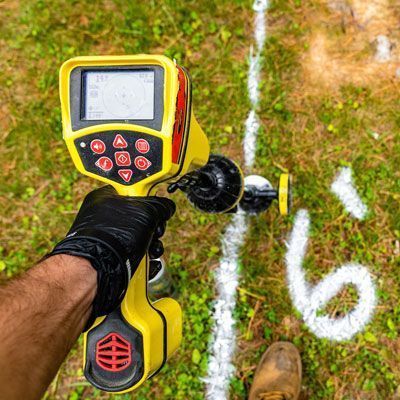
Where additional locating is required, suitable detection equipment can be used to identify the approximate alignment of underground infrastructure. That information helps define where targeted exposure or potholing should take place.
2. A targeted excavation point is established
Rather than opening a broad trench to search for a service, the crew can concentrate on a smaller area where the asset is expected to be located. Pressurised water is directed into the soil to loosen the material progressively.
The method and water pressure must suit the asset being exposed. SafeWork SA and BYDA both caution that hydro vacuum excavation is not automatically risk-free. Excessive or inappropriate water pressure can damage cables, coatings and other buried infrastructure, so relevant asset-owner requirements and site controls still need to be followed.
3. The vacuum removes loosened soil and slurry
A vacuum hose removes the loosened material from the excavation as work progresses. Soil, water and debris are transferred into the truck's tank, which keeps the excavation point relatively clear and allows the crew to monitor what is being uncovered.
Because the excavation can progress in small stages, the operator can adjust the approach as the asset becomes visible rather than continuing to remove soil without direct confirmation of what lies beneath the surface.
4. The service is exposed and its position confirmed
Once the underground utility is visible, its actual depth, alignment and position can be confirmed on site. The information can then support the next stage of construction, whether that involves trenching, directional drilling, maintenance, repairs, new connections or mechanical excavation nearby.
After exposure, the asset also needs to be protected in accordance with the project and asset-owner requirements before other work proceeds.
Hydro excavation for electrical and communications utilities
Electrical cables, telecommunications infrastructure and fibre services can be difficult to work around because direct contact can have serious consequences and because service corridors can contain several assets within a relatively small area.
Hydro excavation can be used to expose these utilities at selected points so the project team can visually confirm where they run before adjacent work continues. This can be particularly useful where a proposed trench, bore or excavation crosses an existing service alignment.
Locating should still come first where required. Smooth Flow Hydro provides cable locating services to help identify buried cable routes before physical exposure.
Hydro excavation for gas lines and pipelines
Gas pipelines and other pressurised services require careful planning before excavation occurs nearby. Plans and locating information can indicate the expected route, while targeted exposure can provide physical confirmation of the asset's actual position.
Hydro excavation may be used at crossing points, connection locations or other areas where the pipeline needs to be verified before nearby excavation, drilling or construction begins. The pressure, excavation technique and working clearances need to reflect the specific requirements of the asset owner.
Where gas infrastructure needs to be identified before excavation, Smooth Flow Hydro also provides gas pipe locating services across South Australia.
Hydro excavation for water mains and service lines
Water mains, service connections and other buried pipework may need to be exposed for maintenance, repairs, connections, design verification or construction around an existing alignment. Their material and condition can vary significantly, particularly across older infrastructure networks.
A targeted hydro excavation can remove soil around the selected section without opening more ground than necessary to confirm the line. Once exposed, the pipe position and depth can be incorporated into the project team's excavation or repair planning.
For projects that need buried water infrastructure identified first, explore Smooth Flow Hydro's water main locating services.
Why hydro excavation is useful around congested utility corridors
Some civil and commercial sites contain several underground services running parallel, crossing one another or occupying the same narrow corridor. In these environments, knowing that a utility is present is only part of the challenge. The relationship between the different assets may also need to be understood before construction can progress.
Hydro excavation allows selected services to be exposed at specific points rather than relying on broad exploratory digging. This can provide project teams with clearer information about actual service separation, depth and alignment.
When multiple utilities are involved, Smooth Flow Hydro's utility excavation services can support controlled soil removal around buried infrastructure.
What are the practical benefits of hydro excavation around utilities?
More controlled soil removal
Hydrovac operators can remove soil progressively within a defined area. This is useful when the goal is to expose an asset rather than move a large quantity of material as quickly as possible.
Smaller excavation areas
Targeted exposure can reduce the need to open a wide exploratory trench simply to establish where an underground service is located. The final excavation size still depends on the project, asset and ground conditions.
Contained spoil
The vacuum system transfers loosened material directly into the truck's debris tank. This can reduce loose spoil around the work area and is useful on constrained civil or commercial sites.
Integration with service locating
Locating and physical exposure perform different functions. Locating helps identify the likely alignment of underground infrastructure, while hydro excavation can then be used to verify selected assets at the point where work will occur.
Need locating and controlled excavation on the same project? Explore Smooth Flow Hydro's utility locating services and hydro excavation capabilities before finalising your excavation scope.
Is hydro excavation always the right method around utilities?
No excavation method is suitable for every site. Hydro excavation uses water, generates slurry and requires vacuum-truck access, material storage and disposal. Ground conditions, water availability, asset type, access restrictions and environmental controls can all affect whether it is the most practical option.
There may also be asset-specific restrictions on excavation methods, working distances or water pressure. BYDA advises project teams to use the potholing method stated by the relevant asset owner, while SafeWork SA emphasises that underground utilities should be located before excavation and that the excavation process must minimise the risk of a utility strike.
Before You Dig Australia's Five Ps provide a useful framework for planning work around buried infrastructure, while SafeWork SA's guidance on working near utility services provides South Australian safety information for excavation around underground services.
How hydro excavation fits with mechanical excavation
Hydro excavation does not need to replace conventional earthmoving across an entire project. Mechanical excavators are generally more efficient for moving large volumes of soil in open areas where buried infrastructure has already been identified and suitable controls are in place.
On many projects, hydrovac is used first at selected locations to expose critical services. Once their position is known, the project team can plan where and how mechanical excavation can proceed.
This combination allows each method to be used for the task it is best suited to: targeted exposure around sensitive underground infrastructure and efficient bulk excavation elsewhere.
What should be planned before hydro excavation near utilities?
Before work begins, project teams should provide as much information as possible about the site and proposed excavation. Useful details include:
- current utility plans and asset-owner information
- results from any underground service locating already completed
- the utilities expected within the work area
- proposed trench, bore, footing or excavation locations
- known excavation depths
- site access and vacuum truck positioning
- ground and soil conditions
- traffic, pedestrian or operational constraints
- asset-owner excavation requirements
- spoil and slurry management requirements
Clear site information helps determine where targeted exposure is needed, which equipment is suitable and whether additional locating or planning should occur before excavation starts.
Hydro excavation around utilities across South Australia
Smooth Flow Hydro provides hydro excavation services for civil, commercial, infrastructure and utility projects across Adelaide and regional South Australia. The service can support potholing, utility exposure and controlled excavation around existing underground assets.
For larger projects, Smooth Flow Hydro also operates a 10,000L vacuum excavation unit suited to higher-volume civil and commercial requirements.
If your project involves excavation around buried cables, pipelines, water mains or other services, contact the Smooth Flow Hydro team with the site location, available utility information and proposed work scope to discuss the most suitable approach.