What is hydro excavation? How hydrovac digging works
Hydro excavation is a controlled digging method that uses pressurised water to loosen soil and a powerful vacuum system to remove the resulting material. It is commonly used where crews need to expose or excavate around underground services with greater precision than conventional mechanical digging can provide.
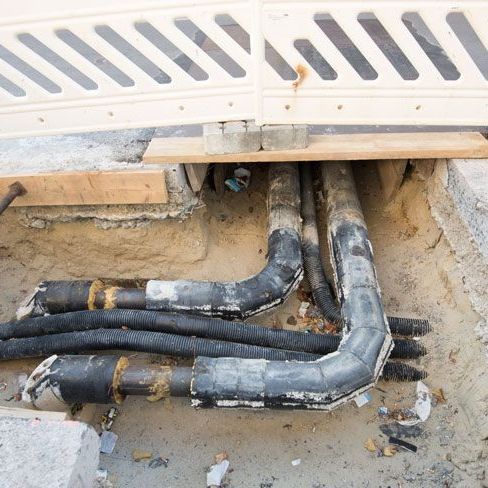
For civil, commercial and infrastructure projects, the method can be particularly useful around buried cables, gas pipelines, water mains and other assets where the location and condition of underground infrastructure need to be considered before excavation progresses.
What is hydro excavation?
The technique, also known as hydrovac or hydro vacuum excavation, combines high-pressure water with vacuum extraction. The water breaks up compacted soil around the excavation area, while the vacuum removes the loosened soil and slurry into a debris tank.
Because the process removes soil in a controlled area rather than relying on an excavator bucket or other mechanical digging attachment, operators can work progressively around known or suspected underground assets. This is why hydrovac is commonly used as a form of non-destructive digging.
How does hydro excavation work?
The exact process varies with the project, site conditions and the infrastructure being exposed, but most hydrovac work follows the same basic sequence.
1. The excavation area is planned
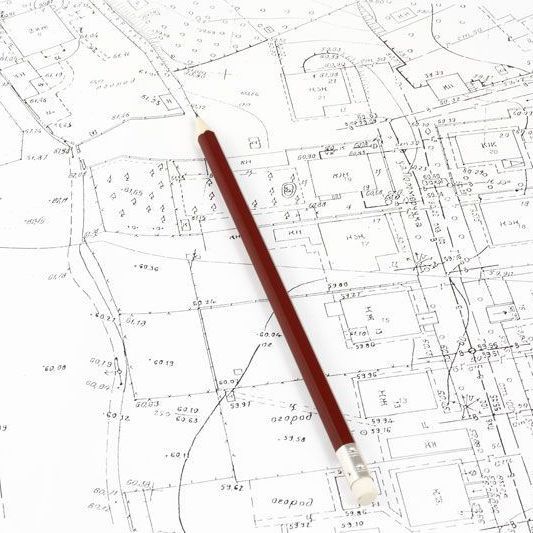
Before ground is disturbed, the work area and available underground service information need to be reviewed. In Australia, Before You Dig Australia can provide plans and information from participating asset owners. These plans indicate the presence of underground infrastructure, but they should not be treated as confirmation of an asset's exact position.
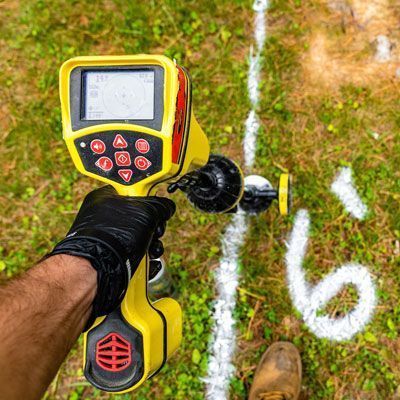
Where required, service locating and potholing can be used to establish the position of buried infrastructure before broader excavation proceeds.
2. Pressurised water loosens the soil
The hydrovac operator directs pressurised water at the target area. Rather than cutting into the ground with a metal bucket or tooth, the water breaks the soil apart and creates a workable slurry.
The pressure and excavation technique need to suit the ground conditions and the assets present. Clay, compacted ground, loose soil and sensitive service corridors can each require a different approach.
3. The vacuum removes loosened material
A high-powered vacuum hose removes the loosened soil, water and debris from the excavation. The material is transferred through the hose into the truck's debris tank, helping keep the immediate excavation area clear as work progresses.
4. The underground asset or excavation is progressively exposed
Crews can continue removing material until the required service, pipe, cable or excavation depth is reached. The controlled nature of the process makes it useful for jobs where accurate exposure is more important than moving large volumes of soil as quickly as possible.
What is hydro excavation used for?
The method is used across a range of civil, commercial, utility and infrastructure projects. Common applications include:
- potholing to confirm the position of underground services
- exposing buried electrical and communications cables
- excavating around gas pipelines and water mains
- utility and service trenching
- working around congested underground infrastructure
- targeted excavation in areas where larger mechanical equipment may create unnecessary disturbance
- supporting maintenance, repair and installation work around existing assets
Smooth Flow Hydro also provides utility excavation services for projects involving buried infrastructure across Adelaide and regional South Australia.
Need a controlled excavation method for buried services? Explore our hydro excavation services for civil and commercial projects across South Australia.
Why use hydrovac instead of mechanical digging?
Mechanical excavation remains the practical choice for many bulk earthmoving tasks. Hydrovac serves a different purpose. It is most valuable when the excavation needs to be controlled around existing infrastructure or within a defined area.
More controlled excavation around buried assets
A mechanical bucket can move large amounts of material quickly, but direct contact with an unidentified or inaccurately marked service can cause significant damage. Water and vacuum extraction allow soil to be removed progressively so crews can expose infrastructure with greater control.
Reduced ground disturbance
Because the excavation can be concentrated on the required area, the method can limit the amount of surrounding ground that needs to be opened. This may reduce restoration requirements on sites where only a small section of an underground asset needs to be exposed.
Contained material removal
The vacuum system transfers loosened material directly into the truck's debris tank. This can reduce loose spoil around the excavation area and makes the truck's tank capacity an important consideration on larger jobs or projects where disposal points are further away.
For larger project requirements, Smooth Flow Hydro operates a 10,000L vacuum excavation unit for civil and commercial work across South Australia.
Is hydrovac the same as non-destructive digging?
The terms are often used together, but they are not exactly interchangeable. Non-destructive digging describes excavation methods intended to reduce the risk of damaging underground infrastructure. Hydrovac is one of the main techniques used to achieve that outcome.
In practice, a hydro vacuum truck can be used to expose a service, create a pothole or remove soil around an existing asset without relying on a conventional excavator bucket at the point of exposure.
What should be considered before hydrovac work starts?
Choosing the excavation method is only one part of planning the work. Before a hydrovac arrives on site, project teams should consider:
- underground service information: available plans, site markings and any locating requirements
- site access: truck positioning, hose reach and space for the work area
- ground conditions: soil type, compaction, moisture and other site-specific factors
- excavation depth: deeper excavations can introduce additional collapse and access risks that need separate controls
- project scale: the volume of material being removed and the vacuum truck capacity required
- spoil management: how excavated slurry will be contained, transported and managed
Safe Work Australia identifies excavation as work that requires risks to be managed, and some excavation work is classified as high risk construction work, including work in or near a shaft or trench deeper than 1.5 metres. Site-specific requirements should therefore be assessed before work begins.
When is hydrovac a good fit for a project?
This method may be worth considering when a project involves known or suspected underground utilities, requires precise soil removal or has limited tolerance for unnecessary ground disturbance. It can also complement underground service locating by physically exposing an asset after its approximate position has been identified.
For large open areas where the main objective is bulk soil removal and there are no sensitive underground assets nearby, conventional earthmoving equipment may be more suitable. The right approach depends on the excavation scope, ground conditions, site access and risks present.
Hydrovac services across South Australia
Smooth Flow Hydro provides hydro excavation services for civil and commercial projects in Adelaide and across regional South Australia, including work around underground utilities and infrastructure.
If you are planning excavation work and need to determine whether hydrovac is suitable for the site, contact the Smooth Flow Hydro team to discuss the project requirements and equipment needed.