What is non-destructive digging and when is it used?
Non-destructive digging, commonly shortened to NDD, is a controlled excavation method used to remove soil around underground services and other sensitive assets. Instead of relying on an excavator bucket at the point of exposure, NDD uses water and vacuum extraction to progressively uncover what is below the surface.
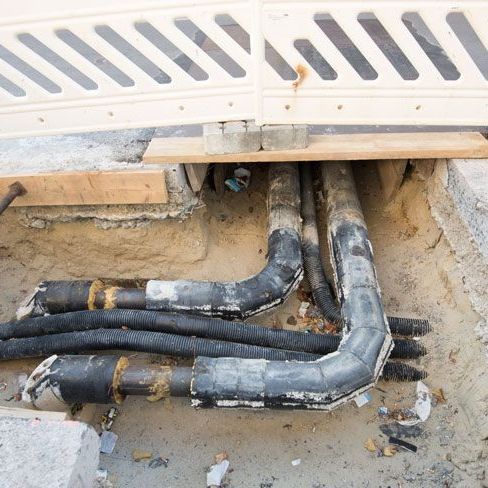
This makes the method particularly useful on civil, commercial and infrastructure projects where crews need to confirm the position of buried cables, pipes, conduits or other services before broader excavation work continues.
What is non-destructive digging?
Non-destructive digging describes excavation methods designed to reduce the risk of damaging buried infrastructure while soil is being removed. In hydro vacuum excavation, pressurised water loosens the ground and a powerful vacuum removes the resulting slurry into a debris tank.
The term does not mean that excavation is completely risk-free. Underground assets can vary in condition, depth and material, and site conditions also affect how work should be carried out. The value of NDD is that it provides a more controlled way to expose buried infrastructure than digging directly around it with conventional mechanical equipment.
Smooth Flow Hydro provides non-destructive digging services using hydrovac equipment for projects across Adelaide and regional South Australia.
How does non-destructive digging work?
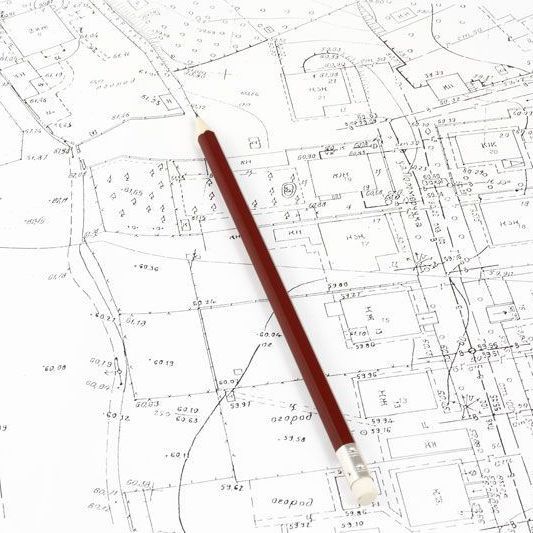
The process typically starts with planning and available underground service information. Before You Dig Australia provides plans and safety information from participating asset owners, but those plans indicate the presence of underground infrastructure rather than confirming its exact position.
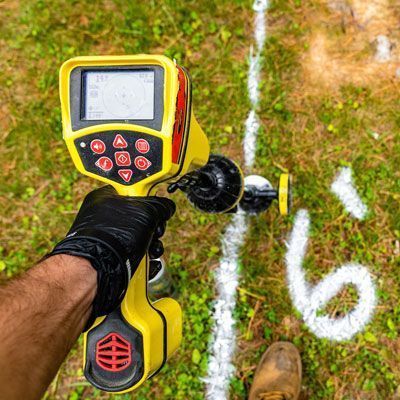
Where required, a skilled locator may be used to identify the approximate alignment of buried assets before physical exposure begins. The NDD process can then be used to carefully uncover the service and confirm its location on site.
1. The work area is assessed
Before excavation starts, the crew needs to understand the project scope, likely service locations, site access and ground conditions. Truck positioning, hose reach, traffic movement and the amount of material expected to be removed can all influence how the work is planned.
2. Water loosens the ground
A hydro excavation lance directs pressurised water into the target area. The water breaks up the soil without using the cutting action of an excavator bucket at the point where the underground service is being exposed.
Operators adjust their approach to suit the conditions present. Compacted clay, loose fill, saturated ground and congested service corridors can require different techniques.
3. The vacuum removes the material
A vacuum hose removes the loosened soil, water and debris from the excavation. The material is transferred into the vacuum truck's debris tank, allowing the crew to progressively expose the required area while keeping loose spoil contained.
4. The service is visually confirmed
Once the asset is exposed, its actual position and depth can be confirmed on site. This information can then be used to help plan subsequent excavation, installation, repair or maintenance work.
Before You Dig Australia includes potholing as one of its Five Ps of safe excavation and notes that hydro vacuum extraction can be used for potholing where permitted by the relevant asset owner.
When is non-destructive digging used?
NDD is most valuable when there is a need to remove soil with greater control around existing underground infrastructure. Common applications include:
- potholing to confirm the location and depth of buried utilities
- exposing electrical and communications cables
- working around water mains, gas pipelines and other underground pipework
- preparing for trenching or larger mechanical excavation
- supporting utility repairs, maintenance and new connections
- excavating in congested service corridors
- targeted excavation where unnecessary ground disturbance should be limited
For projects involving buried infrastructure, Smooth Flow Hydro also provides utility excavation services across South Australia.
Why use NDD around underground utilities?
Utility plans and locating equipment provide valuable information, but the final position of an underground asset may still need to be physically verified before excavation proceeds. Ground levels can change over time, site records may be incomplete and plans are generally indicative rather than exact.
By exposing the asset in a controlled area, NDD gives project teams direct visual confirmation of what is below the surface. That can reduce uncertainty before excavators, trenchers, drilling equipment or other machinery operate nearby.
Safe Work Australia identifies underground essential services as an important consideration before excavation work starts and requires current information about relevant underground services to be obtained and made available to workers involved in the work.
Planning work around buried infrastructure? Learn more about Smooth Flow Hydro's underground service locating options before excavation begins.
How is NDD different from conventional excavation?
Mechanical excavation and NDD are used for different purposes. Excavators are highly effective when large volumes of soil need to be moved, but their buckets and attachments are not always the best tool for directly exposing a sensitive underground asset.
NDD is generally more targeted. Rather than opening a large excavation simply to find a service, crews can remove material from a defined area and expose the asset progressively.
This means NDD is often used alongside mechanical excavation rather than replacing it. A project might use NDD first to expose and verify critical utilities, then use an excavator to complete bulk earthmoving once the required service positions are known and suitable controls are in place.
Is NDD the same as hydro excavation?
The terms are closely related but describe slightly different things. Non-destructive digging refers to the objective and approach of exposing underground infrastructure while reducing the risk of damage. Hydro excavation is the water-and-vacuum technique commonly used to perform that work.
Hydrovac equipment can also be used for other controlled excavation tasks that are not strictly service proving. If you want a broader explanation of the equipment and process, explore Smooth Flow Hydro's hydro excavation services.
What are the practical benefits of non-destructive digging?
More controlled exposure
Soil can be removed progressively around the area that needs to be inspected or excavated. This is useful when crews are working near known or suspected services.
Less unnecessary ground disturbance
Because NDD can focus on a relatively small excavation area, it may reduce the amount of surrounding ground that needs to be opened compared with exploratory mechanical digging.
Direct confirmation of underground assets
Once a service is physically exposed, project teams can confirm its actual position rather than relying only on plans or surface markings.
Contained spoil removal
Hydro excavation equipment transfers loosened material into the truck's debris tank. Tank capacity therefore becomes an important consideration on larger jobs or remote projects where disposal points may be further from the work area.
Smooth Flow Hydro operates a 10,000L vacuum excavation unit suited to larger civil and commercial project requirements across South Australia.
What should be considered before NDD starts?
Although NDD provides a controlled excavation method, it still forms part of a broader excavation and risk-management process. Before work begins, project teams should consider:
- current underground service plans and asset-owner requirements
- whether additional underground service locating is required
- the expected depth and type of the assets being exposed
- ground and soil conditions
- truck access and safe positioning
- the required excavation volume
- slurry containment, transport and disposal
- other site hazards and work occurring around the excavation area
For Australian projects, the Before You Dig Australia Five Ps provide a useful framework for planning, preparing, potholing, protecting and proceeding around underground infrastructure. Safe Work Australia also provides guidance on managing excavation risks and underground essential services.
When should you consider NDD for your project?
Non-destructive digging may be appropriate when a project needs to expose underground services before larger excavation begins, confirm a service that has been electronically located, work in a congested utility corridor or remove soil from a defined area around sensitive infrastructure.
For straightforward bulk earthmoving away from buried assets, conventional excavation equipment may remain the more practical option. The best method depends on the project scope, service information, ground conditions, access and risks present.
Non-destructive digging across South Australia
Smooth Flow Hydro provides non-destructive digging and hydro excavation for civil and commercial projects in Adelaide and across regional South Australia. The team can support utility exposure, potholing and other controlled excavation requirements around underground infrastructure.
If you are planning excavation work and need to determine whether NDD is suitable for the site, contact the Smooth Flow Hydro team to discuss the project requirements and equipment needed.